
Supported by an unrestricted educational grant from AstraZeneca and Ultromics

Radcliffe Documentaries

From diagnosis to care, ATTR amyloidosis

  • Intended for HCPs
  • 2026
  • 2 parts · 10 chapters
  • Cardiology
  • Part one coming soon

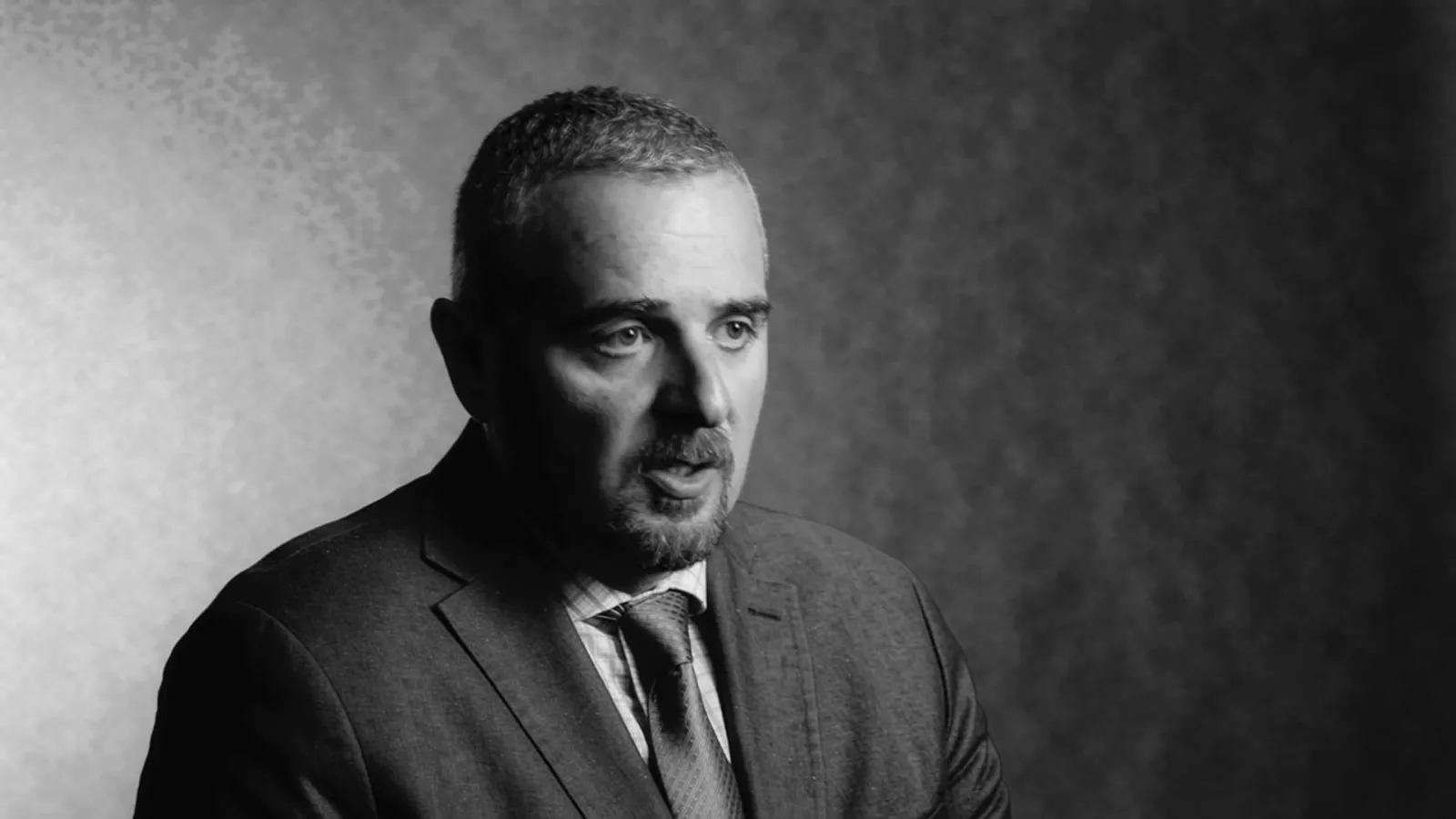
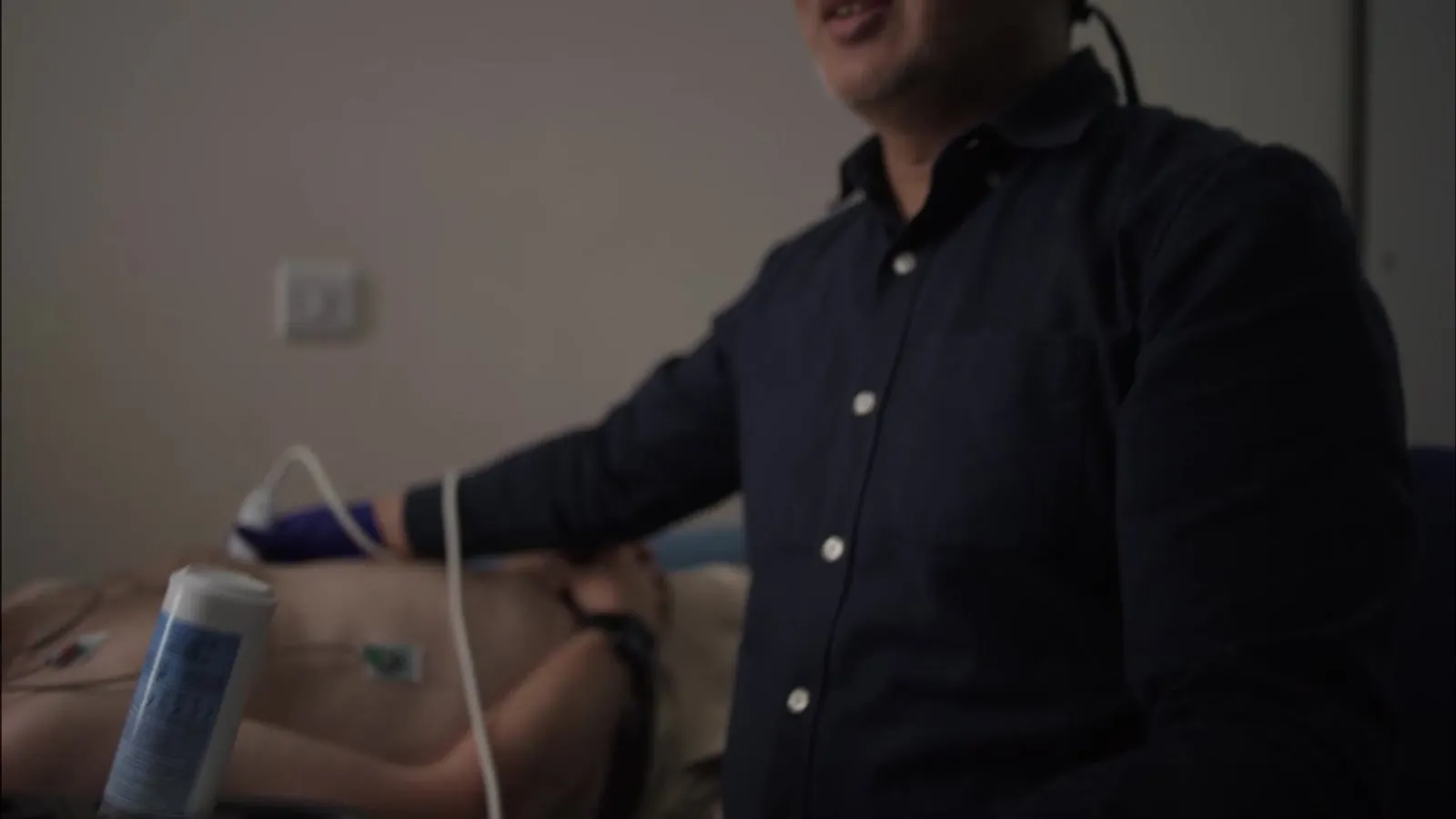
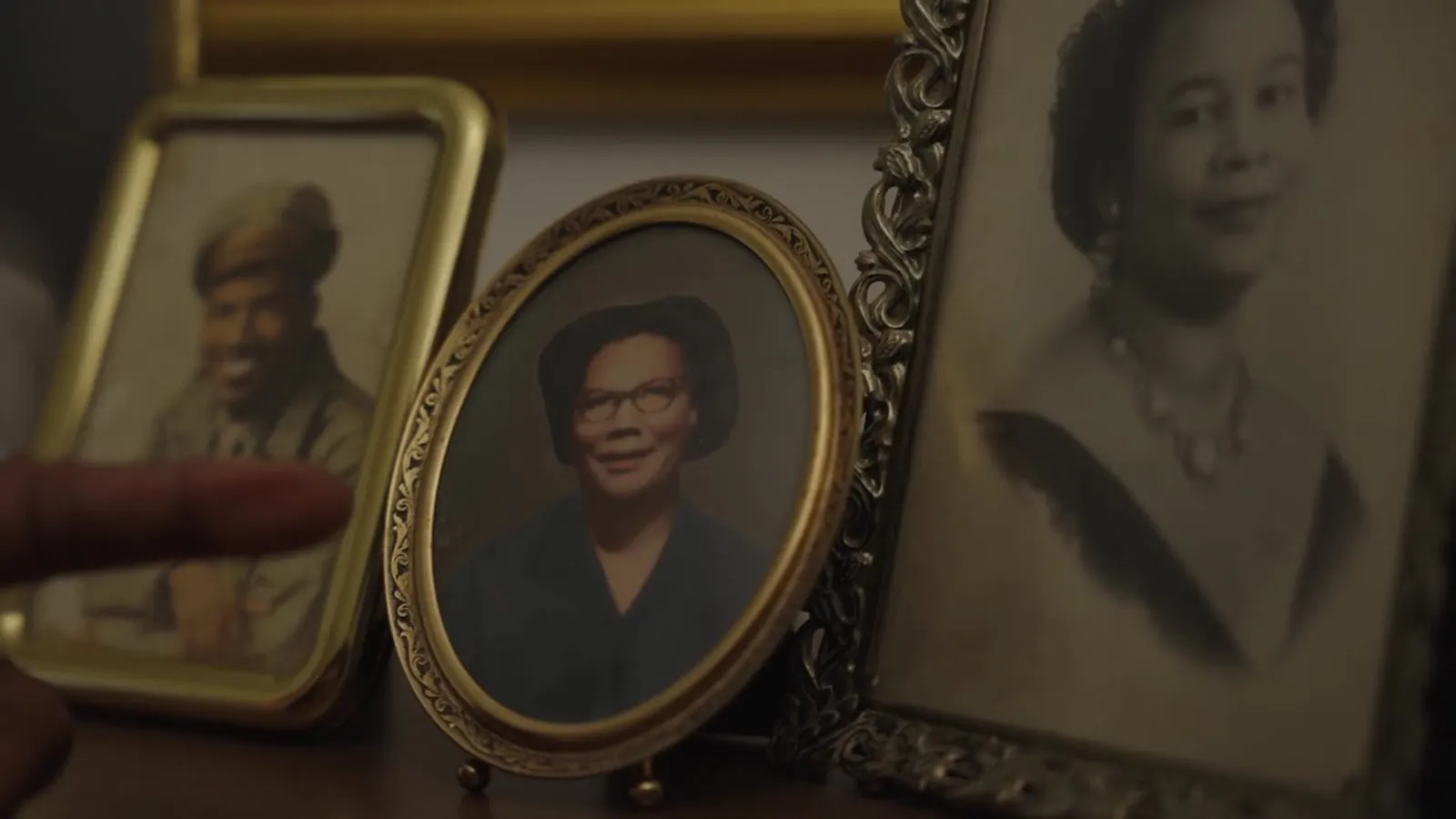
Clinicians, a pathologist and patients on why ATTR cardiac amyloidosis is missed, what it does to the heart, and what changes when it is found.

About the film

A film about the years ATTR goes unseen, and what changes when it is found.

2
parts
10
chapters
116
minutes

The film

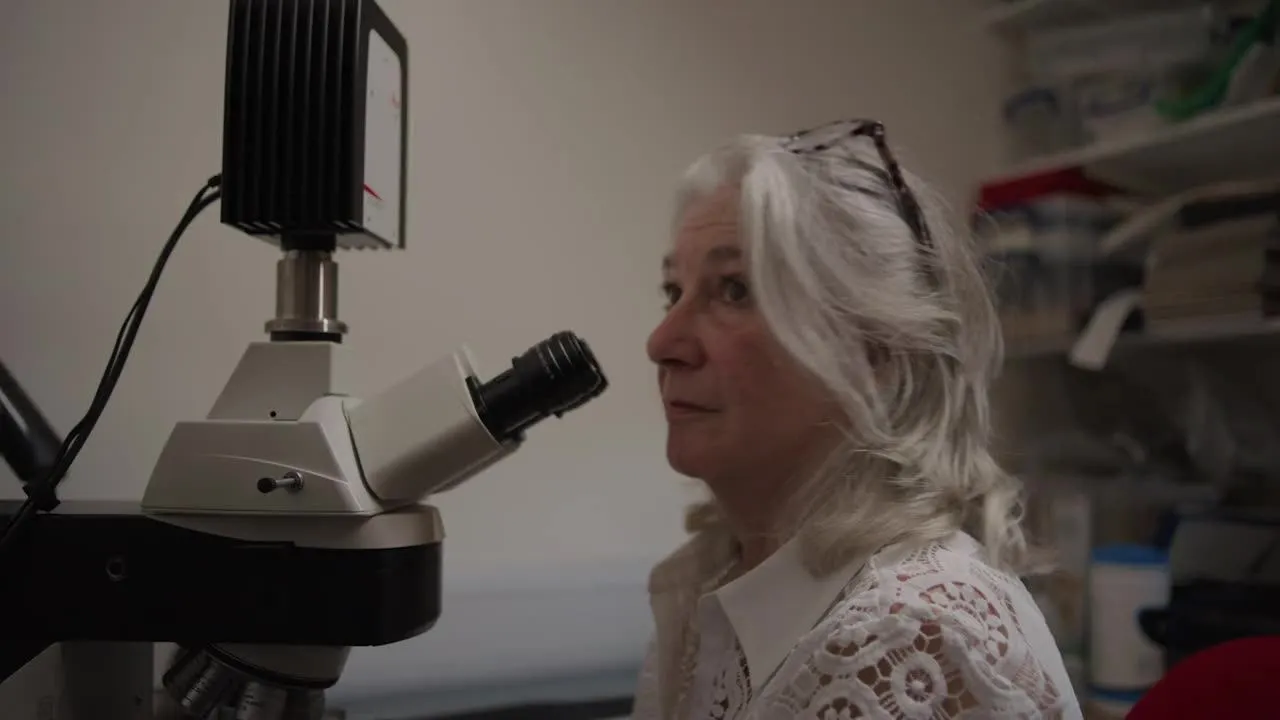
From diagnosis to care is a two-part Radcliffe documentary on ATTR cardiac amyloidosis. Across ten chapters, physicians and patients share their perspectives, exploring how the disease is missed, how it affects the heart, and what happens once a diagnosis is made.

Why we made it

ATTR cardiac amyloidosis is not rare. It is missed. Patients often wait years between their first symptoms and a diagnosis. During those years, the disease continues to progress.

We made this film to bring the voices of those who recognise the disease every day to the clinicians most likely to encounter it next.

The programme aims to help clinicians understand the consequences of delayed diagnosis and therapeutic inertia, and how these can affect clinical outcomes and patients’ quality of life.

Who it is for

Cardiologists, heart failure specialists and physicians specialising in the diagnosis and treatment of amyloidosis. It is also relevant to allied healthcare professionals who may encounter the disease in their practice, including general practitioners, internal medicine physicians and cardiac imaging specialists.

The film is intended for healthcare professionals.

What you will take away

  • The red flags that should prompt a second look

  • How ATTR is confirmed, often without a biopsy

  • How wild-type and hereditary ATTR differ, and who else to test

  • What the missed years mean to patients and families

  • Chapter summaries, key slides and references to download

From diagnosis to care

Part one coming soon

Two parts · ten chapters

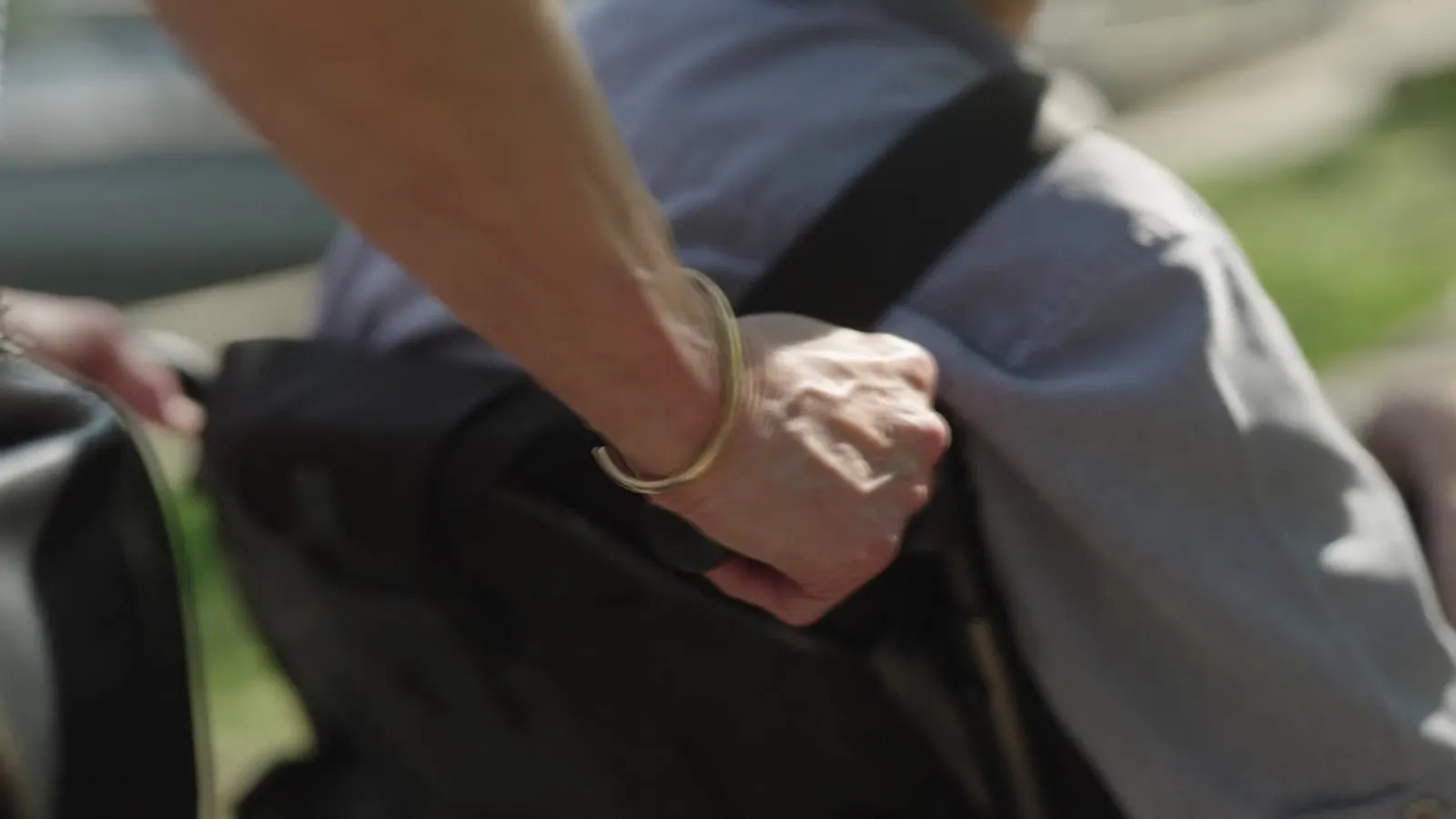
Patient

“We’re talking 11 years now from the initial symptom of carpal tunnel syndrome.”

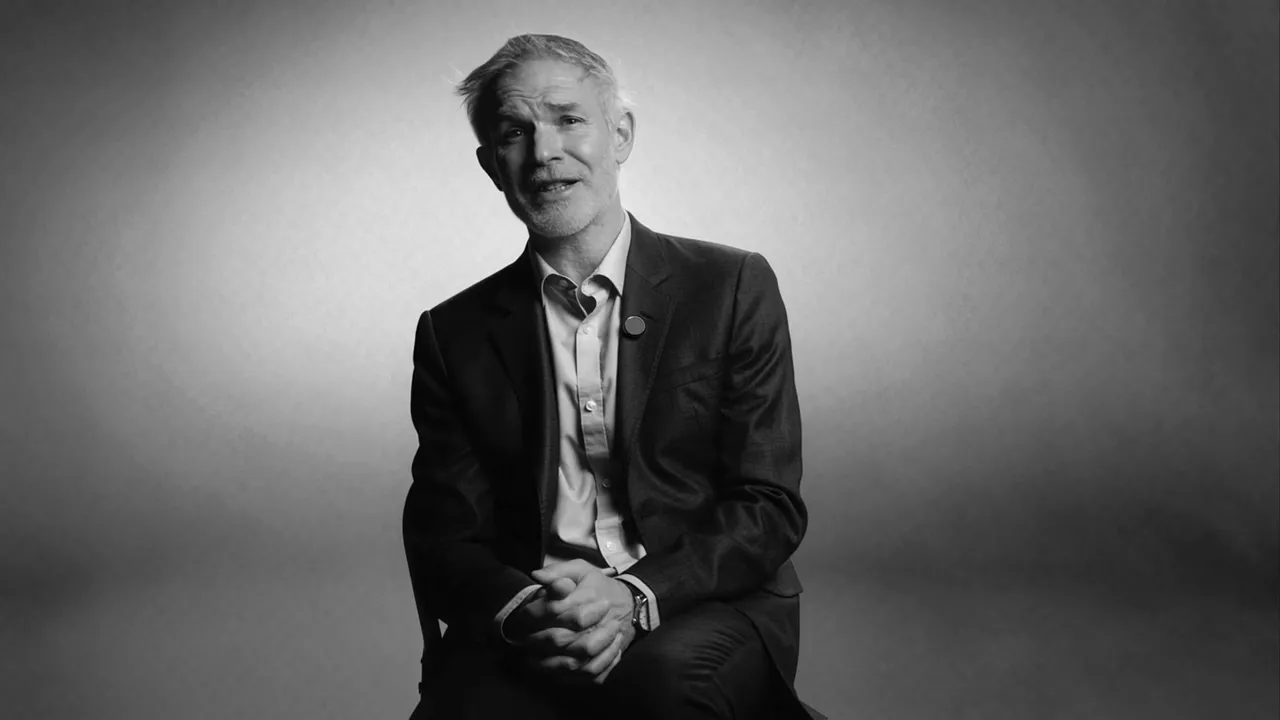
Featuring

Faculty

  • Prof Julian Gillmore

    University College London, London, UK

  • Prof Marianna Fontana

    University College London, London, UK

  • Prof Pablo Garcia Pavia

    Hospital Universitario Puerta de Hierro Majadahonda, Madrid, ES

  • Dr Nitasha Sarswat

    University of Chicago Medicine, Chicago, US

  • Dr Ahmad Masri

    Oregon Health & Science University, Portland, US

  • Dr Margot Davis

    University of British Columbia, Vancouver, CA

  • Prof Fabian Knebel

    Sana Klinikum Berlin Lichtenberg, Berlin, DE

Supported by an unrestricted educational grant from AstraZeneca and Ultromics